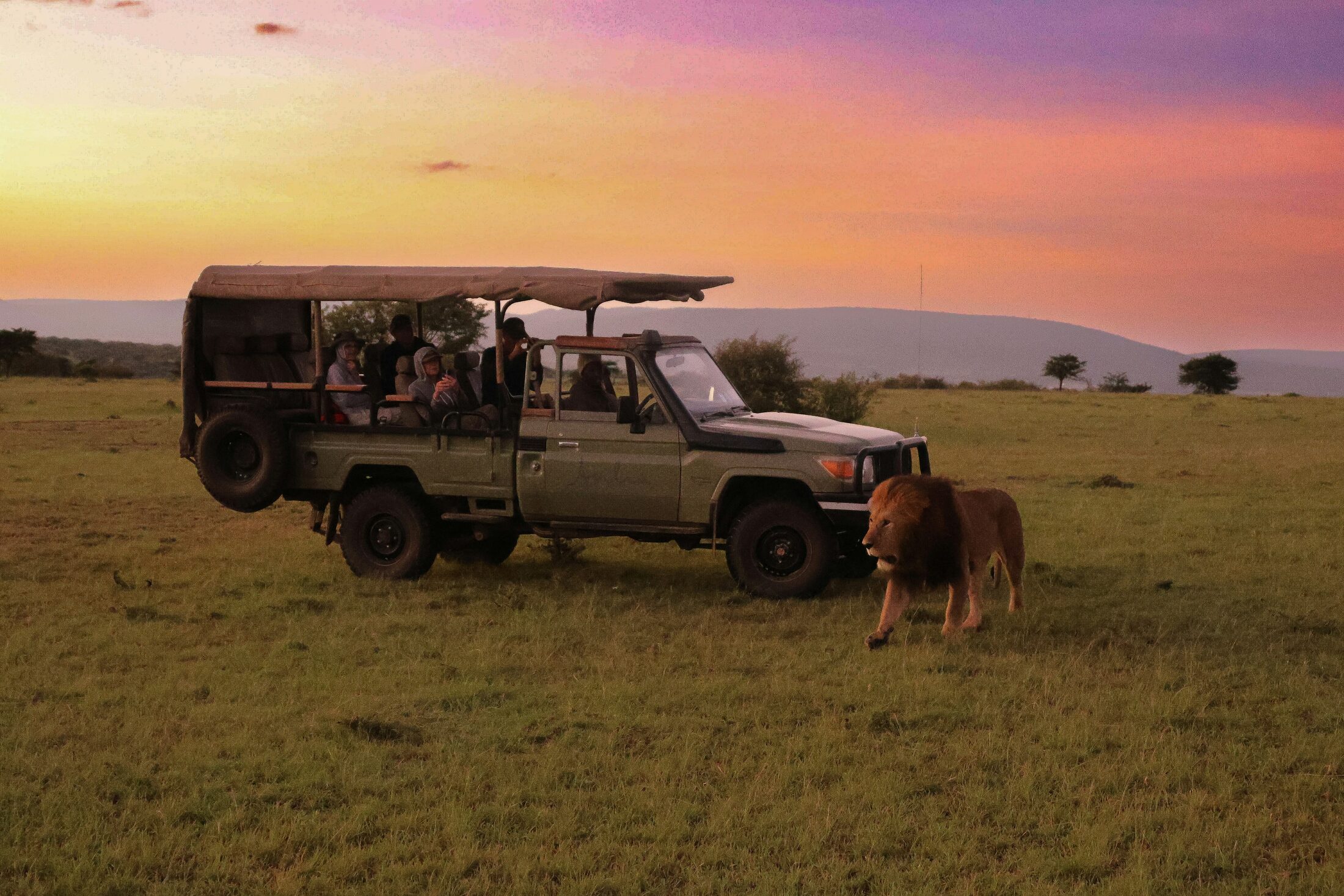
The question we're asked most before booking a safari isn't "where" but "when." In Kruger and the private reserves that surround it — Klaserie, Kapama, Timbavati — the answer changes dramatically by month, and understanding it is the difference between a good safari and one you remember for the rest of your life.
May to September: the dry season
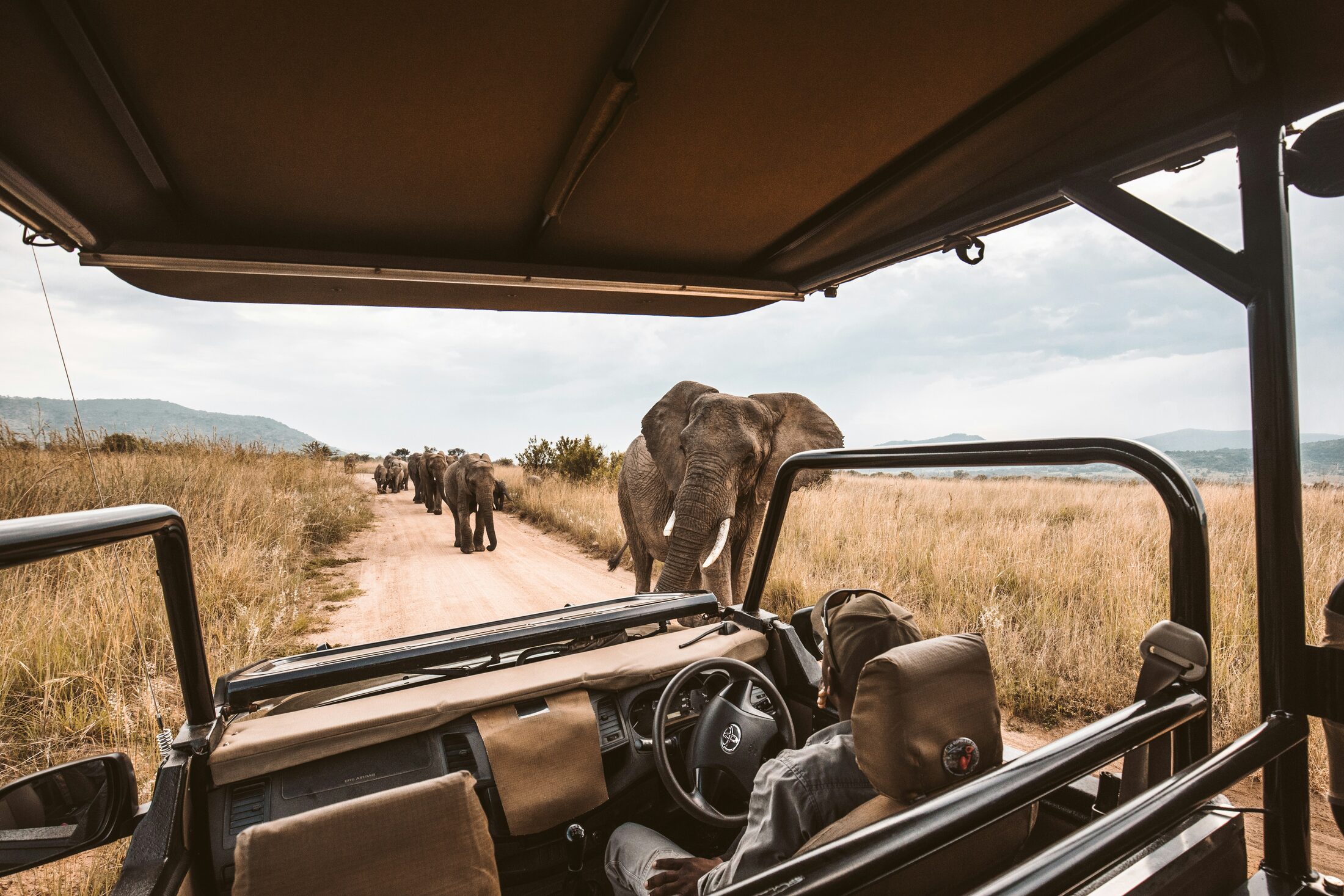
This is our general recommendation, and the reason we designed Southern Africa's Kruger chapter for April, right at the edge of this window. With less rain, vegetation thins out and animals concentrate around permanent water sources — which translates into more frequent, closer sightings. Mornings are cool (perfect for a game drive, coffee in hand) and afternoons are mild.
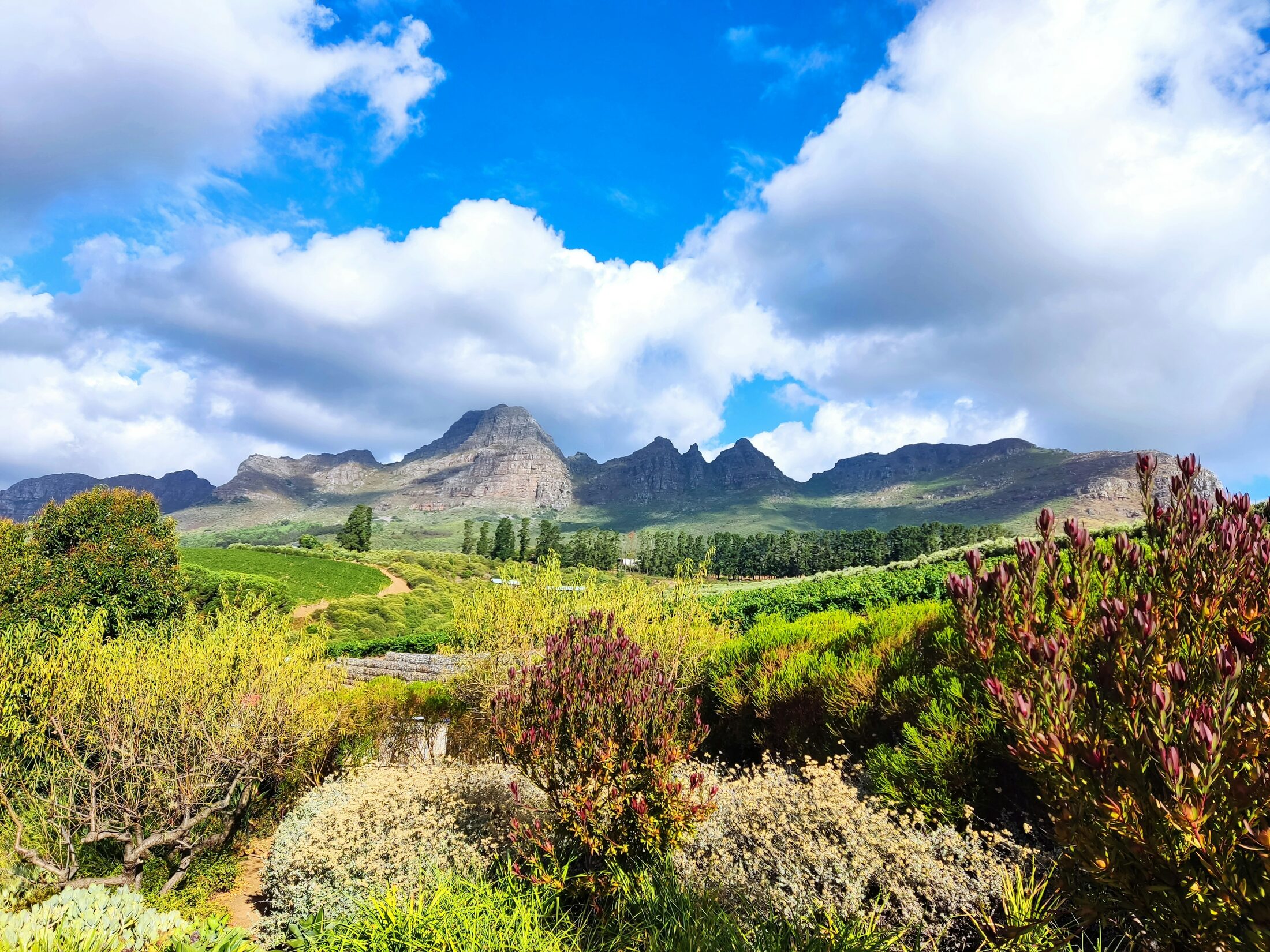
April is, for us, the sweet spot: the rainy-season vegetation has retreated enough for good visibility, but the landscape still holds onto its green.
October and November: the heat before the rains
October is the hottest month and, paradoxically, one of the best for wildlife density — the heat forces animals to stay near water for more hours of the day. If temperatures up to 38°C at midday don't bother you, it's a window with tremendous activity.
December to March: the green season
Brief afternoon showers, lush landscape, and calving season — most antelope are born during this window, which draws predators. Accommodation rates tend to be lower and there are fewer vehicles in the private reserves, but dense vegetation can make spotting the more elusive animals harder.
Our recommendation
If it's your first safari and you want to maximize the odds of seeing the Big Five in comfortable weather, aim for April–September. If you already know the region and want something different — dramatic skies, newborn cubs, better rates — the green season has its own charm. Either way, the three-day itinerary we designed for Kruger within Southern Africa is calibrated to make the most of either window.